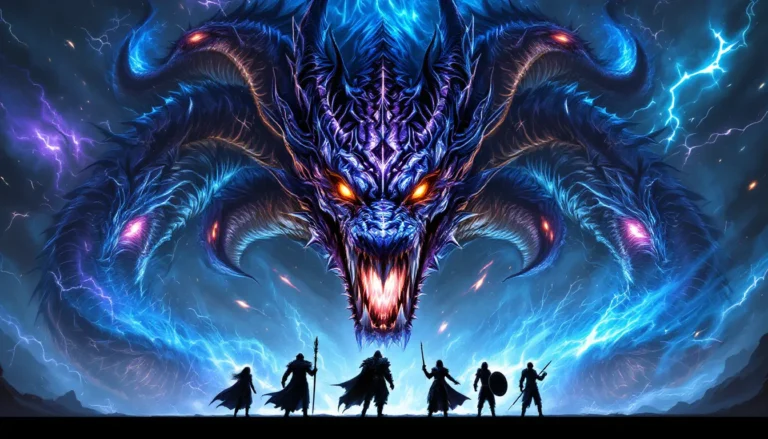
Jenova stands as one of gaming‘s most terrifying and misunderstood antagonists. At first glance, she appears as a boss to defeat, but the deeper you dig into Final Fantasy VII’s lore, the more you realize Jenova isn’t just a villain, she’s the driving force behind nearly every major tragedy in the game. Her influence stretches from thousands of years in the planet’s past to the present day, infecting characters, manipulating events, and reshaping the entire world. Whether you’re revisiting the original PS1 classic, playing through the FF7 Remake, or exploring the expanded universe through Crisis Core and Dirge of Cerberus, understanding Jenova is essential to grasping what makes Final Fantasy VII’s story so compelling. This guide breaks down everything you need to know about FF7’s most iconic antagonist.
Table of Contents
ToggleKey Takeaways
- Jenova is an extraterrestrial organism that crashed on the planet thousands of years ago and operates through cellular replication and biological infiltration rather than traditional villainy, making her the true driving force behind Final Fantasy VII’s conflicts.
- Jenova’s cellular structure is adaptive and can merge with human DNA to create enhanced beings like Sephiroth, granting superhuman abilities while simultaneously corrupting hosts from within.
- Shinra Corporation’s obsession with weaponizing Jenova’s power by creating Sephiroth as a human-Jenova hybrid proved catastrophic, as they created a vessel through which Jenova could directly influence the world again.
- Jenova battles escalate throughout FF7 (BIRTH, DEATH, COMPLETE) and require consistent ice-based magic damage combined with strong healing and Haste materia to overcome.
- The FF7 Remake reimagines Jenova with more grotesque visuals and complex mechanics while introducing the Arbiters of Fate, complicating her role as the sole driving force of events compared to the original game.
- Jenova’s true legacy extends beyond direct confrontation—her influence corrupts society ideologically, making her a systemic threat where the pursuit of her power causes more damage than her direct attacks ever could.
Who Is Jenova? Understanding FF7’s Primary Threat
Jenova isn’t your typical video game villain. She’s not a tyrannical ruler with grand ambitions or a misunderstood anti-hero seeking redemption. Instead, she’s an ancient, otherworldly organism that crashed on the planet thousands of years ago and essentially laid the groundwork for every conflict the party encounters. In the original FF7, players first encounter her as a boss fight around the two-hour mark, but that’s misleading, Jenova is present throughout the entire narrative, pulling strings from the shadows.
The confusion around Jenova stems from her ability to manipulate, replicate, and merge with other beings. She doesn’t have a single body or consciousness in the traditional sense. Instead, she exists as cellular matter that can infiltrate hosts, control their actions, and warp their biology. This makes her fundamentally different from Sephiroth, even though the two are intrinsically linked. Sephiroth is a human who’s been influenced and powered by Jenova cells: Jenova is the primordial threat that enables his existence.
Understanding Jenova requires accepting that she operates on a biological level rather than a psychological or ideological one. She doesn’t want power or revenge. She wants to survive and propagate herself, and that instinct alone has shaped the entire world of FF7.
Jenova’s Origins and Extraterrestrial Nature
The Ancient Visitor: How Jenova Arrived on the Planet
Thousands of years before the events of Final Fantasy VII, Jenova descended from the skies. She wasn’t native to the planet, she was a visitor, an extraterrestrial organism that crashed-landed and immediately began its catastrophic influence. The people of that ancient era had no framework for understanding what she was. To them, she was a god-like entity that fell from the heavens, and she was destroying everything.
This period is referred to as “The Calamity from the Skies” in FF7 lore. Jenova’s arrival marked a turning point. She didn’t integrate peacefully or attempt communication. Instead, she began consuming the planet’s lifestream, the energy that flows through all living things in the FF7 world. Her hunger was absolute, and her power was devastating.
The ancient civilization that faced Jenova were eventually powerless against her. But, they managed to seal her away using methods lost to time. This seal wouldn’t last forever, but it bought the planet centuries of peace. When those ancient people created the seal, they couldn’t have known that their precautions would eventually fail, setting the stage for everything that happens in the modern era.
Cellular Replication and Adaptive Biology
What makes Jenova truly dangerous isn’t just raw power, it’s her biology. She has the ability to replicate herself at the cellular level, essentially creating copies or infecting other organisms. Her cells can merge with human DNA, granting superhuman abilities while simultaneously corrupting the host from within. This capability is what allows her influence to persist even when her physical body is defeated.
Jenova’s cells don’t just replicate randomly. They’re adaptive. They can study their hosts, learn from them, and develop new capabilities. In scientific terms within the FF7 universe, this makes her a perfect organism, capable of infinite evolution and survival. A single Jenova cell can, theoretically, regenerate an entire Jenova body given enough time and biomass.
This is why the Shinra Corporation becomes obsessed with Jenova. Once they uncover her remains (sealed away in the North Crater), they recognize her cellular potential. Scientists at Shinra see her not as a threat to be destroyed, but as a tool to be weaponized. They believe they can harness her power for their own purposes. Of course, they’re catastrophically wrong about their ability to control her.
Jenova’s Role Throughout the Final Fantasy VII Timeline
The Calamity from the Skies: Ancient History and Influence
Jenova’s timeline in FF7 spans millennia. Her initial arrival and the chaos she caused is recorded in the planet’s history, though much of it is distorted or forgotten. Ancient texts reference the creature that fell from the sky, but by the time of the modern era, her true nature has become mythologized and obscured.
During her active period in ancient times, Jenova consumed vast amounts of the planet’s lifestream. The Calamity decimated civilizations and left scars on the world that never fully healed. Some of the most powerful magic in the FF7 world is theorized to be remnants of that ancient cataclysm. The planet itself developed antibodies in response to Jenova’s infection, which is part of why Aerith (as a Cetra, a member of the planet’s original humans) is so significant to the story.
Shinra’s Obsession: Jenova as a Tool for Power
Fast forward to the modern era. The Shinra Electric Power Company discovers Jenova’s remains in the North Crater. This discovery changes everything. Rather than seal her away again or destroy her, Shinra sees an opportunity. President Shinra and his scientists, particularly Professor Gast and Dr. Hojo, become obsessed with unlocking Jenova’s secrets.
Shinra’s goal isn’t to save the world, it’s to monopolize her power. Jenova’s cellular capabilities mean she can grant superhuman strength, regeneration, and potentially immortality. If Shinra could weaponize her, they could become unstoppable. They begin experimenting on Jenova’s cells, injecting them into soldiers to create enhanced troops. This is how the One-Winged Angel theme’s namesake, Sephiroth, is created.
The Jenova Project, as it’s called internally, produces a human-Jenova hybrid: Sephiroth. Shinra believes they’ve created the ultimate weapon, a soldier with both human intelligence and Jenova’s biological superiority. What they’ve actually done is created a host through which Jenova can once again influence the world directly. This miscalculation sets the stage for the entire plot of Final Fantasy VII.
Sephiroth’s Connection and Manifestation
Sephiroth isn’t just a man with Jenova cells. His existence is a manifestation of Jenova’s will. This is a crucial distinction that the story gradually reveals. Sephiroth believes himself to be an autonomous individual with his own goals and ideology, but in reality, he’s a puppet, a vehicle through which Jenova operates.
During the events of Final Fantasy VII, Sephiroth pursues a plan called the One-Winged Angel Calamity (though this term is more prominent in expanded lore). His stated goal is to merge with the planet using the Black Materia to summon Meteor, but the underlying biological impetus comes from Jenova. She wants to merge with the planet’s lifestream, consuming it just as she did thousands of years ago.
Sephiroth’s four manifestations as bosses, Jenova BIRTH, Jenova DEATH, Jenova COMPLETE, and finally One-Winged Angel, represent increasing degrees of Jenova’s influence and power. Each battle strips away layers of deception, revealing more of the truth about their nature.
Jenova Battles and Boss Encounters
Jenova BIRTH: Your First Encounter
Jenova BIRTH is your first direct confrontation with the creature, occurring in the Shinra Mansion basement after escaping Midgar (approximately 2 hours into the game). This is a scripted story fight, meaning you can’t actually lose, though you can still be defeated if you’re severely underleveled or unprepared. Many players encounter her while exploring, and the experience varies across platforms, each providing different mechanical nuances.
Key mechanics:
- HP: Around 2,000 (scales with difficulty)
- Weaknesses: Ice-based magic and abilities
- Notable attacks: Cure (heals itself), Purple attack (status effect), Javelin Thrust
- Rewards: Magic Comb, 2,000 EXP
At this stage, Jenova BIRTH isn’t about overwhelming power, it’s about demonstrating that this creature is dangerous. Use Ice spells (Blizzard or Ice) and physical attacks. Keep your party healed, and don’t let her special attacks catch you off guard. Cloud, Tifa, and Aerith are your party members at this point: focus on consistent damage while maintaining health.
The battle is somewhat forgiving by modern standards, but it establishes an important narrative beat: Jenova is real, she’s devastating, and she’s just the beginning of something much larger.
Jenova DEATH and Jenova COMPLETE: Escalating Threats
As you progress through FF7, you encounter Jenova multiple times, each iteration representing a more dangerous state.
Jenova DEATH appears later in the game with significantly higher stats:
- HP: Around 6,000
- Weaknesses: Ice-based attacks
- Dangerous abilities: Mega Flare-like attacks, life drain, status effects
- Rewards: Significant EXP and Gil
Jenova COMPLETE is the final Jenova encounter before the ultimate battle:
- HP: Around 8,000
- Weaknesses: Continues to be Ice-based
- Critical attacks: Full party damage, confusion, paralysis
- Rewards: Magic and equipment drops
Both of these fights require better materia loadouts and equipment than earlier encounters. Equip Restore Materia for healing, use Haste on your party, and maintain Ice Materia for damage. Limit Breaks become increasingly valuable, Cloud’s Omnislash and Aerith’s Healing Wind are particularly useful.
Combat Strategies and Weakness Exploitation
Across all Jenova encounters, several strategic principles apply:
Materia Setup:
- Ice Materia is non-negotiable. Cast Blizzard or higher-tier ice spells consistently.
- Restore Materia keeps your party alive. Pair it with supports like All or Tetra.
- Haste Materia increases your action speed, letting you damage her before her heavy attacks land.
- Barrier/Wall Materia reduces physical and magical damage respectively.
Party Composition:
- Cloud handles physical DPS. Equip him with high-attack weapons and physical Limit Break abilities.
- Aerith provides healing and magical support. Her Healing Wind Limit Break is invaluable.
- A third member (Tifa, Barret, or Red XIII depending on where you are in the game) rounds out your offense.
Tactical Approach:
- Focus one source of damage at a time. If you’re splitting attacks between Ice spells and physical attacks, you’ll struggle to burst her down.
- Manage your HP aggressively. Don’t let anyone drop below 50% health: her special attacks spike damage.
- Use Limit Breaks when available. Jenova fights are long enough that you’ll build Limit Break bars: unleash them when her health is moderate.
These battles are designed to escalate in challenge, mirroring the growing threat of Jenova’s influence throughout the narrative.
Jenova Across FF7 Spin-offs and Remakes
Crisis Core and Dirge of Cerberus: Extended Lore
Jenova isn’t exclusive to the original FF7. Square Enix expanded her story significantly through spin-off titles that shed light on different eras and perspectives. The prequel Crisis Core provides essential context for understanding the Jenova Project’s origins.
Crisis Core: Final Fantasy VII (available on PSP and later re-released as Crisis Core Reunion on modern platforms) takes place seven years before the main game. Players control Zack Fair, a young SOLDIER operative. In Crisis Core, you witness the Jenova Project firsthand, see Sephiroth’s creation, and understand how the conspiracy unfolded. The game deepens the tragedy of Sephiroth’s story while also showing how Jenova’s cells were being weaponized before Cloud ever picks up a sword.
Dirge of Cerberus: Final Fantasy VII, released on PS2 and later ported to other platforms, occurs after the main game. It focuses on Vincent Valentine and explores what happens to Jenova’s remaining cells after her initial defeat. The game reveals that fragments of Jenova continue to pose threats, and that her influence persists even after the events of FF7. This is crucial to understanding why the FF7 Remake has taken a different narrative direction, the threat of Jenova and Sephiroth isn’t necessarily concluded by the original game’s ending.
Both games add narrative weight and complexity to Jenova’s legacy, showing that her impact extends far beyond a single game. The expanded universe deepens appreciation for how thoroughly Jenova’s influence permeates the entire Final Fantasy VII world.
Final Fantasy VII Remake: Reimagined Encounters and Story Elements
The FF7 Remake (released on PS5 in 2020, with an expanded episode released as FF7 Rebirth) takes significant liberties with Jenova’s presentation while maintaining her core threat level. The Remake compresses the Midgar section of the original game into its own complete experience, meaning players encounter Jenova relatively early, just as in the original.
But, the Remake’s interpretation of Jenova is notably different. The visual design is more grotesque and imposing. The boss encounter is more dynamic, with more complex attack patterns and environmental interactions. The narrative also hints at the Arbiters of Fate, mysterious entities that seem to manipulate events, which complicates the straightforward “Jenova is the threat” narrative of the original.
FF7 Rebirth continues this thread, suggesting that Jenova might not be the sole driving force behind all events. This is a deliberate choice by Square Enix to avoid simply retreading the original story. The Remake’s Jenova remains dangerous and central to the plot, but her role is more nuanced, influenced by time travel, alternate timelines, and metaphysical concepts that the original game didn’t explore.
For players experiencing FF7 for the first time through the Remake, Jenova comes across as a more immediate and visceral threat. For veterans, the Remake’s take on her character serves as a thought-provoking reinterpretation of established lore.
The Jenova Cells: How One Creature Divided the World
Genetic Legacy and Character Transformations
Jenova’s cellular structure isn’t just a plot device, it’s a biological inheritance that affects multiple characters throughout the FF7 universe. Her cells don’t just grant power: they fundamentally alter the host’s physiology and psychology.
Sephiroth is the most obvious case. Born as a human through the Jenova Project, he has Jenova cells integrated into his very being. These cells give him superhuman abilities, regeneration, and the ability to influence reality through Jenova’s extraterrestrial biology. The cells also connect him to Jenova’s consciousness, creating a mental link that blurs the line between Sephiroth’s will and Jenova’s directive.
Cloud Strife, the protagonist, also receives Jenova cells. During his time in the Shinra Military, he was exposed to them, though the original FF7 narrative is deliberately vague about exactly when and how much he was infected. This detail becomes crucial in Crisis Core and the Remake, where it’s revealed that Cloud’s connection to Jenova cells is part of why he’s so important to the story. He’s not just fighting Jenova: he shares biology with her.
Tifa Lockhart doesn’t have Jenova cells (though the Remake hints at deeper connections), but she’s affected by Cloud’s infection. Their bond, romantic, platonic, and complicated, is shaped by their shared past and the presence of Jenova’s cells in his body.
Aerith, as a Cetra (a member of the planet’s original human race), has a unique connection to Jenova. Rather than being infected and corrupted by her cells, Aerith’s bloodline grants her magical abilities that specifically counter Jenova’s influence. Her destiny is intertwined with stopping Jenova precisely because of her Cetra heritage.
Jenova cells don’t just grant power, they’re parasitic. They warp personalities, encourage conflict, and blur the boundaries between self and other. A character with Jenova cells is never quite fully themselves.
The Calamity Spreads: Influence on Major Characters
Beyond direct genetic infection, Jenova’s influence ripples through the cast via psychological manipulation and biological compromise.
President Shinra is obsessed with controlling Jenova, believing he can use her power to maintain his corporate dominance. He’s not infected with her cells, but his obsession with her essentially makes him a puppet, serving her interests by seeking to propagate her power.
Professor Hojo, the mad scientist leading the Jenova Project, becomes increasingly unhinged as he pursues his research. Whether through direct cellular contact or psychological obsession, Hojo’s actions, creating Sephiroth, experimenting on humans, attempting immortality, are all driven by his fascination with Jenova’s potential. He’s not physically corrupted by her cells, but mentally colonized by the idea of her.
Barret Wallace and Red XIII become entangled with Jenova’s legacy indirectly. They’re fighting against Shinra’s exploitation of her power, making them victims of her influence even though they’re not biologically altered. The entire world’s suffering, environmental destruction, the Lifestream being drained, civil unrest, stems from Shinra’s Jenova obsession.
This is what makes Jenova so thematically powerful. She’s not just a monster to defeat: she’s a corrupting influence that has infected society at every level. The Jenova cells are the mechanism, but the true calamity is ideological. The pursuit of her power and the belief that she can be controlled and weaponized spreads more damage than her direct attacks ever could. Understanding this transforms how players view the FF7 narrative, Jenova isn’t just the final boss threat: she’s the reason everything has fallen apart.
Jenova’s Legacy: Impact on Gaming and Final Fantasy Culture
Jenova stands as a masterclass in antagonist design. She’s not a sympathetic villain with understandable motivations, nor is she a simple evil force of nature. Instead, she occupies a unique space in gaming, a threat that operates on biological, psychological, and thematic levels simultaneously. Her influence on gaming narratives has been substantial, inspiring developers to think about villains as more than character archetypes but as systemic forces that reshape entire worlds.
Within the Final Fantasy franchise specifically, Jenova established the template for Sephiroth-type villains, ambitious, god-like figures whose power stems from corrupting existing systems rather than operating outside them. Subsequent FF games have revisited these themes. Whether through Kuja in Final Fantasy IX or Ultimecia in Final Fantasy VIII, the core concept of Jenova, an external threat that reshapes the world by infiltrating it, persists.
The Jenova reveal is also crucial to gaming narrative structure. The mid-game boss fight against Jenova BIRTH feels like a climactic moment, but it’s actually the exposition. The real battle is understanding what Jenova represents and how her existence has shaped every decision, every conflict, and every character arc in the game. This narrative twist, where the villain you’ve been fighting the whole time isn’t who you think it is, became influential in RPG design.
Beyond narrative, Jenova’s design is iconic. Her grotesque biological form, her multiple manifestations, and her visual redesign in the Remake have made her instantly recognizable. Fans across gaming forums and communities reference her whenever discussing memorable bosses, making her culturally significant in ways that transcend a single game.
Modern players experiencing FF7 for the first time through the Remake encounter a version of Jenova that’s simultaneously honoring the original while recontextualizing her threat. The Remake has balanced nostalgia with fresh storytelling in how it presents Jenova.
Jenova’s legacy is secure. She’s one of gaming’s most important antagonists, not because of flashy battles or dramatic dialogue, but because her existence forces players to question everything about the world, the characters, and the nature of agency itself. That’s the mark of a truly great villain.
Conclusion
Understanding Jenova transforms how you experience Final Fantasy VII. She’s the thread that connects ancient history to present-day calamity, the biological mechanism through which Shinra’s ambitions metastasize, and the primordial threat that made Sephiroth possible. From her first encounter as Jenova BIRTH through her increasingly dangerous manifestations, every battle and story beat is framed by her presence.
Whether you’re replaying the original PS1 classic, diving into the FF7 Remake’s reimagined encounters, or exploring Crisis Core and Dirge of Cerberus for deeper lore, Jenova remains consistently dangerous and thematically significant. Her cellular legacy, her influence over major characters, and her ideological impact on the world show that she’s far more than a final boss, she’s the philosophical core of FF7’s tragedy.
The genius of Jenova lies in her simplicity combined with profound depth. She doesn’t scheme or philosophize. She simply exists, replicates, and corrupts, and that’s enough to destroy civilizations. That understated terror is what makes her one of gaming’s most memorable and influential antagonists, cementing her place in gaming history.