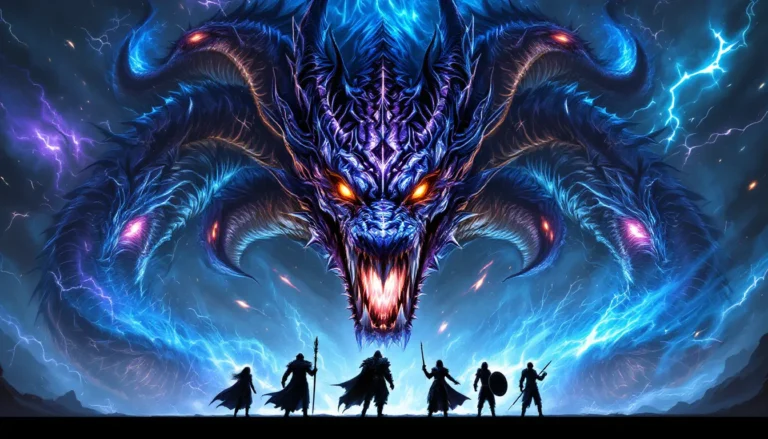
Final Fantasy monsters aren’t just obstacles in your path, they’re the backbone of what makes the series legendary. From the pixelated slimes of the original NES entry to the hyper-detailed behemoths of FFXVI, these creatures define entire games and linger in players’ memories decades after release. Whether you’re a hardcore fan who’s cleared every superboss or a newcomer curious about what makes Final Fantasy’s bestiary so iconic, understanding these monsters gives you insight into the franchise’s 40-year evolution. This guide breaks down what makes Final Fantasy monsters unforgettable, traces their design journey, and explores how they’ve shaped gameplay, storytelling, and gaming culture itself.
Table of Contents
ToggleKey Takeaways
- Final Fantasy monsters succeed because they balance mechanical depth with personality—creatures like Tonberry and Malborough tell a story about the game world while creating genuine tactical challenges.
- Iconic Final Fantasy monsters have evolved across 40 years of hardware improvements and combat system changes while maintaining their core identity and visual recognition, from pixelated designs to hyper-detailed modern encounters.
- The best Final Fantasy monster designs use thematic consistency, attack patterns, and status effect mechanics to force strategic thinking rather than relying on stat checks alone.
- Final Fantasy creatures transcend gameplay to become cultural icons through fan communities, merchandise, and crossover appearances, proving that memorable design creates lasting engagement beyond combat encounters.
- Superbosses and legendary encounters like Sephiroth, Emerald Weapon, and Ozma define endgame content by demanding mastery of game systems, optimal preparation, and genuine tactical innovation rather than artificial difficulty.
What Makes Final Fantasy Monsters Unforgettable
Final Fantasy monsters stand out because they nail a specific balance: they’re mechanically interesting without being just stat checks. A good Final Fantasy creature, whether it’s a random encounter or a world-threatening boss, tells you something about the world and the character you’re playing. They have personality.
Take the Tonberry, a small creature that shuffles forward at agonizing speed before dealing massive damage. That design isn’t arbitrary: it creates genuine tension. You know exactly what it’s doing, you know exactly what happens if it reaches you, and that simplicity makes it terrifying. Compare that to a generic “increased stats” enemy, and you see why Final Fantasy monsters resonate.
The best creatures also evolve with their game’s mechanics. In turn-based games, they rely on attack patterns you can predict and adapt to. In real-time combat systems, they demand reflexes and spacing awareness. Final fantasy creatures have always pushed what the combat system can do, forcing players to engage strategically rather than just spam their strongest ability. This design philosophy separates memorable encounters from forgettable random battles across every numbered entry in the series.
Classic Monsters That Defined the Series
Some creatures transcend their source game to become franchise icons. These aren’t just strong enemies, they’re the monsters people think of when someone says “Final Fantasy.”
The Legendary Malborough and Its Variants
The Malborough is peak Final Fantasy monster design: visually repulsive, mechanically terrifying, and somehow weirdly endearing. This plant-like creature doesn’t just fight: it spews Bad Breath, an ability that can inflict almost every status effect simultaneously. One hit from Malborough can neuter an entire team in seconds.
What makes it stick is that Bad Breath isn’t a cheap gimmick, it’s a clearly telegraphed attack that teaches you to prepare. Need Silence immunity? Grab an Amulet. Want Poison resistance? Equipment exists for that. This design creates memorable encounters because players remember exactly how they got wrecked and what they did differently next time.
Variants appear throughout the series, each adapted to their game’s mechanics. In newer entries, Malborough might have stageable attacks or phase mechanics, but the core concept remains: this creature forces you to respect preparation and status effect management.
Tonberries: From Menace to Beloved Icons
Tonberries hit different. These small, hooded creatures start as terrifying random encounters, you’d see one approaching and immediately think about retreating. Their slow, relentless shuffle forward combined with Chef’s Knife, an attack that does massive fixed damage, made them genuine threats even to high-level parties.
But here’s where Final Fantasy’s monster design gets interesting: the franchise embraced what players felt about Tonberries and leaned into it. They went from “enemy to avoid” to “creature you hunt for drops” to “companion you can actually summon.” Games started giving Tonberries their own sidequests, their own story context, their own charm. By FFVIII, you could fight and befriend the Tonberry King for powerful abilities.
That tonal shift shows incredible design awareness. Rather than replacing Tonberries with something “scarier,” the series deepened the Tonberry identity until players couldn’t help but love them even though, or because of, their unsettling nature.
Behemoths and the Evolution of Boss Fights
Behemoths are the franchise’s answer to “what if we made a creature that looks like pure power?” These multi-horned, massive quadrupeds appear across entries, and they represent a specific challenge tier: fights that demand respect but reward preparation.
Early Behemoths were straight-up stat wars. The FFV iteration hits hard, resists magic, and forces you to build a team that can output consistent damage while maintaining healing. That’s valuable level design, it teaches players that brute force alone doesn’t work.
Modern Behemoths, especially in FFXVI and recent spinoffs, evolved into genuinely spectacle-heavy encounters. They don’t just stand and attack: they have arena-spanning attacks, phase transitions, and moments where you’re dodging area-of-effect abilities in real-time. The core identity, “overwhelming force that demands tactical thinking”, remained the same, but execution adapted to what current hardware and combat systems could deliver.
These three creatures alone show Final Fantasy’s creature design philosophy: find a memorable mechanic or aesthetic, make it mechanically interesting, then refine it across decades without losing what made it special.
Monsters Across Different Final Fantasy Entries
The monster rosters change dramatically across different eras, reflecting not just technical improvements but design philosophy shifts.
Original and Classic Era Creatures (FFI-FFVI)
Early Final Fantasy games, particularly Final Fantasy 1 NES, established the template: simple designs that packed tactical punch even though technical limitations. You got creatures like Wizards, Gargoyles, and Liches, enemies that didn’t need elaborate animation to convey threat.
FFIV introduced Zemus and early superbosses that required actual strategy. FFVI, sitting at the peak of SNES capabilities, delivered creatures like Atma Weapon and Kefka’s minions that felt genuinely cinematic within those pixel constraints. The roster here proves that memorable monster design has nothing to do with polygon count and everything to do with smart mechanics and distinct silhouettes.
Modern Era Staples (FFVII-FFXV)
Final Fantasy VII brought the classic Guard Scorpion, a boss fight that’s become iconic not because it’s hard but because it’s perfect as an introduction to the combat system. It teaches you how turn-based systems work, how to manage ATB bars, and why attacking from behind matters. That’s a creature designed to educate without feeling like a tutorial.
Final Fantasy VII Switch brought that whole era to a handheld, making these monsters accessible to a new audience. Creatures like Motorball, Hundred-Year-Old Dragon, and everything in between got enhanced models but maintained their original tactical identity.
FFX introduced the Sin creature design, which is less a monster and more a environmental boss. FFXIV’s Primal summons operate as world-ending creatures that shape the story directly. FFXV gave us creatures like Adamantoise, a superboss so massive that fighting it becomes almost a puzzle of environmental navigation.
Contemporary Designs (FFXVI and Beyond)
FFXVI completely retooled monster design around action-combat mechanics. The Eikon battles aren’t traditional monster encounters: they’re colossal set pieces where you’re part of the action rather than selecting commands. Ifrit, Titan, and Shiva function as both creatures and fundamental story events.
This represents the natural evolution: as technology improved and combat systems shifted, monsters had to evolve too. A creature designed for a PS3 wouldn’t have the same impact on next-gen hardware if it used identical mechanics. FFXVI’s monsters feel weighty, purposeful, and visually stunning because they were designed specifically for what that hardware could deliver.
The throughline across all eras remains consistent: each game’s monsters feel native to their system and native to their era, never feeling like copy-paste filler.
Monster Design Philosophy and Visual Evolution
Understanding how Final Fantasy monsters look and function reveals a franchise obsessed with creating creatures that feel cohesive within their world.
From Pixel Art to Cutting-Edge Graphics
Pixel art monsters, even though their simplicity, communicated enormous amounts of information through silhouette and color. A Malboro was instantly recognizable: that mouth, that plant-like body, that unsettling design. When Final Fantasy transitioned to 3D, the challenge became maintaining that clarity and instant recognition in full three dimensions.
The jump from FFVII’s early 3D models to FFX’s vastly improved character and creature models to FFXV’s photorealistic graphics shows a clear evolution. But here’s what’s important: the creatures themselves remain identifiable. Malborough in any era looks like Malborough. Tonberry maintains its signature elements. That’s not accident: it’s intentional design restraint.
FFXVI took a different approach. Its monsters are hyper-detailed, full of texture and movement. But even with that visual density, the core designs are readable. Garuda’s aerodynamic predator silhouette cuts through the graphical noise immediately. Modern Final Fantasy understands that clarity, readability, matters more than raw detail.
Balancing Threat and Appeal in Monster Creation
Final Fantasy creatures work because they’re often genuinely unsettling. Tonberries are creepy. Malboroughs are disgusting. Certain humanoid creatures blur the line between creature and tragic figure. That’s intentional.
A monster that’s purely cute doesn’t threaten you. A monster that’s purely horrifying can feel cheap. The best Final Fantasy creatures live in the uncomfortable space between, something you’d never want to pet, but something you can’t stop thinking about either. That balance is why merchandise exists. Why fan communities form. Why people debate “which monster is scariest” in forums decades after release.
Designers also consider what players will do to these creatures. Will they summon them? Exploit their weaknesses? Grind them for drops? The best creatures have multiple layers, they’re interesting enemies to fight, interesting to analyze statistically, and interesting as character pieces in the broader narrative. Garuda Final Fantasy exemplifies this: it’s a challenging encounter, a meaningful summon in certain titles, and a visually striking creature worthy of fan art and discussion.
Memorable Boss Monsters and Their Impact
Boss creatures aren’t just harder versions of regular enemies, they’re story moments you experience through combat.
Sephiroth, Ultimecia, and Game-Changing Villains
Sephiroth stands as Final Fantasy’s most iconic boss, and that’s partly because his design serves the narrative perfectly. He’s humanoid enough to be relatable, supernatural enough to feel threatening, and visually distinctive enough that you recognize him instantly. His boss fight isn’t just mechanically challenging: it’s emotionally charged because of everything leading to it.
Ultimecia from FFVIII takes a different approach: she’s less a fighter and more a manifestation of time itself. Her sorceress abilities, her reality-warping presence, and her desperation make her a different kind of memorable than Sephiroth. Both are iconic, but they prove that memorable boss design has multiple valid approaches.
These creatures work because they’re tied to character arcs and story beats. You don’t just fight Sephiroth, you’ve been chasing him, learning about him, building a relationship with the party that faces him. That context makes the creature matter.
Superbosses That Challenge Even Veteran Players
Superbosses like the Emerald Weapon (FFVII), Shinryu (various titles), and Ozma (FFX) occupy a special category. These creatures aren’t story requirements: they’re tests. They exist to push players to perfect their understanding of game mechanics, optimal loadouts, and grinding efficiency.
What makes them legendary isn’t artificial difficulty. It’s that these fights force genuine strategy. You can’t just “level up more.” You have to understand why you’re losing and adjust accordingly. Ozma teaches you about elemental weaknesses. Emerald Weapon forces timing and positioning. RPG Site guides dedicated to these fights have shaped speedrunning communities and optimization discussions for decades.
These bosses define endgame gameplay and give completionists something genuinely challenging to chase. They represent Final Fantasy at its most mechanical and most rewarding.
Monster Mechanics: Combat Systems and Abilities
What makes a Final Fantasy creature actually interesting to fight against separates great design from forgettable encounters.
Unique Attack Patterns Across Titles
In turn-based games, creature attack patterns become rhythms you learn and adapt to. A Red Dragon might alternate between physical attacks and breath weapon abilities, forcing you to decide between aggressive offensive play or defensive stalling. That rhythm creates tension, you’re mentally tracking what’s coming next.
Real-time systems like FFXV and FFXVI changed this. Now attack patterns are about visual telegraphing and positioning. Ifrit in FFXVI has specific animations that communicate incoming attacks. You’re watching for tells rather than mentally predicting a cycle. Both systems create engagement, just through different mechanisms.
The best designed creatures have attacks that communicate their identity. Typhon uses wind-based abilities because it’s a wind creature. Leviathan dominates water-based attacks. These things sound basic, but too many RPGs ignore thematic consistency. Final Fantasy rarely does.
Special Abilities and Status Effects
Status effects are where Final Fantasy creature design gets strategic. A creature that can inflict Petrify changes how you prepare. One that uses Charm forces you to gear differently. Doom timers create urgency. These aren’t damage numbers, they’re mechanical challenges that make you think.
The best creatures layer multiple mechanics. Malborough’s Bad Breath does massive damage but more importantly inflicts random status effects. You might survive the damage but get neutered by status conditions. Ultros uses different abilities based on game state. These design choices force players to engage with system knowledge rather than just hitting harder.
Siliconera coverage of modern Final Fantasy reveals how contemporary games have refined this further. FFXVI’s creatures use positional mechanics and ability chains that reward understanding enemy behavior. You’re not just watching health bars decrease: you’re executing a plan against a creature with its own gameplan.
Collecting and Encountering Monsters in Games
Some Final Fantasy games let you do more with creatures than simply defeat them.
Creature Collection in Final Fantasy Titles
Certain entries let you catch, train, and collect creatures. Monster Hunter World: Final Fantasy XIV crossover, various spinoffs, and even main series experiments let players build teams of Final Fantasy creatures. This shifted monsters from “enemies to defeat” to “resources to develop.”
That shift changes monster design philosophy. Creatures need to be visually appealing enough to want owning them. They need personality traits and growth paths. A creature might be mechanically average as an enemy but compelling as a summon or companion. This dual identity expanded what Final Fantasy creatures could be.
Summons, Companions, and Monster Allies
Summons represent the purest form of creature integration into gameplay. Rather than fighting a monster, you’re commanding it. Ifrit, Titan, Shiva, these creatures become extensions of your party. Their designs need to work as both enemies (when you fight them) and allies (when you summon them).
Certain creatures like Chocobo blur the line entirely. They’re not monsters: they’re companions. Yet they have the visual design language of Final Fantasy creatures and occupy similar narrative space. Final Fantasy Games on Switch made these creatures portable, changing how players engaged with them.
Companion creatures in games like FFXV (where actual summons fight alongside you) or FFXVI (where you’re literally inhabiting a summon’s body) represent evolution in how monsters integrate into gameplay. They’re not obstacles: they’re tools, allies, and power fantasy realizations.
The Cultural Impact of Final Fantasy Monsters
Final Fantasy monsters transcended games to become genuine cultural icons.
Fan Favorites and Community Recognition
Certain creatures became franchise ambassadors. Chocobo isn’t just a creature, it’s a mascot. Mog from FFVI isn’t just a boss: it’s a beloved character. Knights of Round isn’t just a summon: it’s a legendary item that speedrunners grind for.
Communities form around creatures. Tonberry appreciation societies. Debates about which monster design is superior. Competitive speedrunners optimize fight strategies and create tech based on creature mechanics. A creature that resonates becomes more than a game asset: it becomes shared cultural shorthand.
Final fantasy monsters also influenced broader gaming culture. The creature design philosophy that made Malborough and Tonberry work influenced how other JRPGs approached their own bestiary. You see echoes of that design thinking in Dragon Quest, Persona, and countless other franchises.
Monsters in Merchandise, Media, and Beyond
Monsters that resonate in-game inevitably appear in merchandise. Chocobo plushes, Tonberry figurines, art books dedicated entirely to creature design, the commercial success proves player attachment. Twinfinite coverage of Final Fantasy media often highlights how creature designs drive merchandising decisions.
Crossover appearances also matter. Final Fantasy Characters in Kingdom Hearts brought Final Fantasy creatures into Disney crossovers. Final Fantasy creatures appear in collaborations, mobile spinoffs, and other franchises’ worlds. That’s not accident, it’s because these creatures have earned enough cultural capital that their inclusion automatically elevates other media.
The most interesting development is fan creations. Original artwork, cosplay of monsters, fan-made creature guides, creative writing centering creatures, the community didn’t just consume Final Fantasy’s monsters, they engaged with them creatively. That level of engagement is rare and precious, proving that these designs succeeded at the deepest level: they inspired.
Conclusion
Final Fantasy monsters matter because they’re never just obstacles. They’re design tests, narrative anchors, and cultural touchstones. From pixelated slimes to massive Eikon summons, the franchise has proven that memorable creature design transcends technical limitations and survives across platform generations.
What makes Final fantasy creatures legendary isn’t that they hit hard or look impressive, it’s that they’re interesting. They teach you about game systems. They make you strategize. They haunt your memory. The best ones become beloved enough to appear in merchandise, inspire fan communities, and influence entire genres.
As Final Fantasy continues evolving into 2026 and beyond, the creature design philosophy that created Malborough, Tonberry, and Behemoth remains relevant. New encounters will emerge, new summons will captivate players, and new creatures will become icons. But they’ll do so by honoring what made early designs work: clarity, personality, mechanical depth, and the understanding that a creature that resonates becomes something far more than a random encounter. It becomes unforgettable.